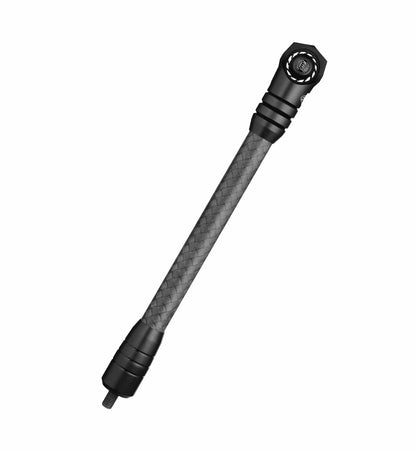
What Are Stabilizers and Why Do We Need Them?
Stabilizers are essential components in various fields, including engineering, agriculture, and even daily consumer products, where they play a crucial role in maintaining balance and control. In simple terms, stabilizers help to counteract unwanted movements or fluctuations, thereby enhancing performance and safety. For instance, in the context of an aircraft, stabilizers are key structures that ensure the aircraft remains stable during flight, preventing erratic behavior that could arise from turbulence or sudden changes in wind direction. Similarly, in the automotive industry, stabilizers in suspension systems minimize body roll during turns, providing a safer and more comfortable ride.
Understanding why we need stabilizers is essential for both technical experts and everyday users. Without them, systems can become unpredictable and potentially dangerous. In construction, stabilizers are used in foundations to ensure buildings can withstand natural forces such as earthquakes or high winds. In the realm of food production, stabilizers maintain the texture and freshness of products, ensuring they remain appealing to consumers. Overall, the absence of stabilizers can lead to inefficiencies, accidents, and compromised quality, highlighting their significant role in our lives.
Counter-Strike is a popular first-person shooter video game series that pits teams of terrorists against counter-terrorists in various missions. Players can choose from multiple game modes, including competitive and casual play, where teamwork and strategy are crucial for success. For gamers looking to enhance their mobile gaming experience, check out the Top 10 iPhone gimbals that can provide better stability and control.
How Stabilizers Improve Our Daily Lives: A Closer Look
Stabilizers play a crucial role in enhancing our daily lives by providing support and balance in various applications. From household appliances to transportation systems, these devices ensure stability and prevent unnecessary motion. For example, in the realm of home cooking, stabilizers in mixers and blenders reduce vibrations, allowing for smoother operation and consistent results. Additionally, in the automotive industry, stabilizers in vehicles enhance safety by improving handling and control, especially during sharp turns. This not only helps prevent accidents but also contributes to a more comfortable ride.
In the world of technology, stabilizers have become indispensable in the production of consumer electronics, such as smartphones and drones. These devices incorporate stabilization technologies like gyroscopes and motion sensors, which help to minimize the impact of shaky hands and windy conditions. As a result, users can capture high-quality images and videos without the need for extensive equipment. Furthermore, in the realm of fitness, stabilizers in exercise equipment support proper form and technique, reducing the risk of injury. Such innovations highlight how stabilizers improve our daily routines, making them safer, more efficient, and ultimately more enjoyable.
The Science Behind Stabilizers: Types and Applications
The use of stabilizers in various industries is essential for enhancing the performance and longevity of products. Stabilizers are chemical compounds used to prevent degradation and maintain the desired properties of materials. Common types include thermal stabilizers, which protect against heat-induced degradation, and UV stabilizers, which shield products from harmful ultraviolet radiation. Each type serves a specific purpose, ensuring that materials such as plastics, food, and pharmaceuticals maintain their quality over time. For instance, in the food industry, stabilizers like emulsifiers play a crucial role in maintaining texture and consistency, while in the plastics sector, certain additives help maintain color and reduce brittleness.
In terms of applications, stabilizers are employed across diverse sectors, addressing specific challenges faced by materials. Thermal stabilizers are widely used in manufacturing processes, ensuring that formulations can withstand high temperatures without losing their structural integrity. Meanwhile, UV stabilizers are pivotal in protecting outdoor products, such as coatings and plastics, which are susceptible to sun damage. Additionally, a variety of other stabilizer types, such as antioxidant and anti-static agents, play significant roles in enhancing product performance. Understanding the science behind these compounds enables industries to make informed choices, leading to better product quality and customer satisfaction.