Understanding the Different Types of Cables: A Comprehensive Guide
In today's digital world, understanding the different types of cables is essential for anyone looking to set up a reliable networking or audio-visual system. Cables come in various types, each designed for specific purposes and applications. Coaxial cables are commonly used for television signals and internet connections, while fiber optic cables offer high-speed data transmission over long distances. Additionally, HDMI cables are the go-to option for connecting modern devices like TVs and gaming consoles, providing both audio and video quality in a single cable.
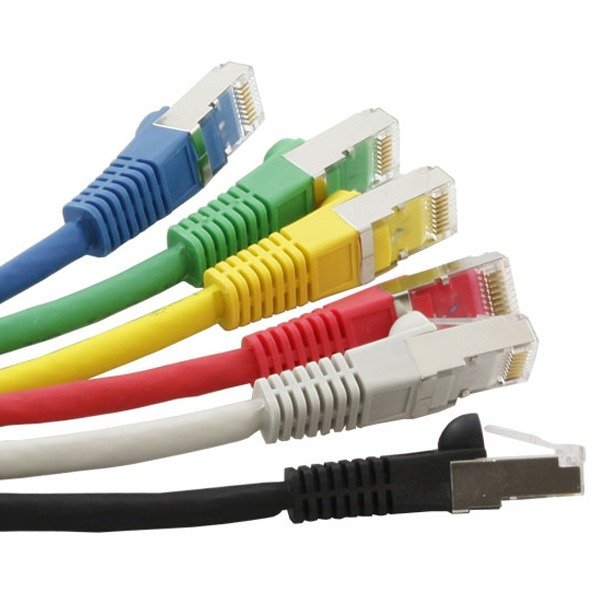
When choosing the right cable, it's important to consider factors such as length, compatibility, and quality. For instance, Ethernet cables are categorized into different standards, such as Cat5e, Cat6, and Cat6a, each supporting various network speeds and bandwidths. If you're setting up a home theater, familiarize yourself with the different types of audio cables like RCA, optical, and XLR, which each connect devices in distinct ways. By understanding the various types of cables available, you can make informed decisions that enhance your connectivity and audio-visual experiences.
Counter-Strike is a highly popular first-person shooter game that pits teams of terrorists against counter-terrorists in various objective-based scenarios. Players engage in tactical gameplay, utilizing a variety of weapons and strategies to secure victory. For gamers looking to enhance their setup, check out the Top 10 usb c accessories that can boost their gaming experience.
How Cables Enable Seamless Connectivity in Our Digital Age
In today's digital age, the role of cables in enabling seamless connectivity cannot be overstated. From the moment we power on our devices, these crucial components facilitate the transmission of data and power across various platforms. Whether it's through Ethernet cables connecting our homes to the internet or USB cables linking peripherals to computers, these connections ensure that we stay integrated with the digital world. Without cables, our access to high-speed internet, robust networking, and efficient charging would be significantly hindered, leading to potential disruptions in our daily lives.
Moreover, the evolution of cable technology has kept pace with our insatiable demand for faster and more reliable connections. From traditional coaxial and fiber optic cables to modern HDMI and Thunderbolt connections, the advancements in cable design and functionality allow for higher bandwidth and improved signal quality. As we transition into an era of smart homes and IoT devices, investing in superior cable solutions is vital. Not only do they enhance the performance of our gadgets, but they also lay the groundwork for the future of connectivity, ensuring that our digital landscape remains seamless and interconnected.
What Are the Best Practices for Cable Management and Maintenance?
Effective cable management is crucial for maintaining not just the aesthetics of your workspace, but also its functionality and safety. Start by categorizing your cables based on their purpose: power, data, and audio/video. Use labeled cable ties or color-coded sleeves to keep them organized. Additionally, consider investing in cable trays or raceways that allow for a more streamlined appearance and easy access. Regularly inspect your cables for wear and tear, as damaged cables can pose safety risks and impede performance.
Another best practice for cable maintenance is to establish a routine check-up schedule. This prevents major issues from arising and ensures that your setup remains efficient. As part of your maintenance, clean the cables and surrounding areas periodically to avoid dust buildup, which can affect both the appearance and functionality. Furthermore, when making any adjustments or upgrades, always label your cables to avoid confusion in the future. Adopting these practices will not only enhance your workspace but also prolong the lifespan of your cables.