Understanding Different Types of Cables: A Comprehensive Guide
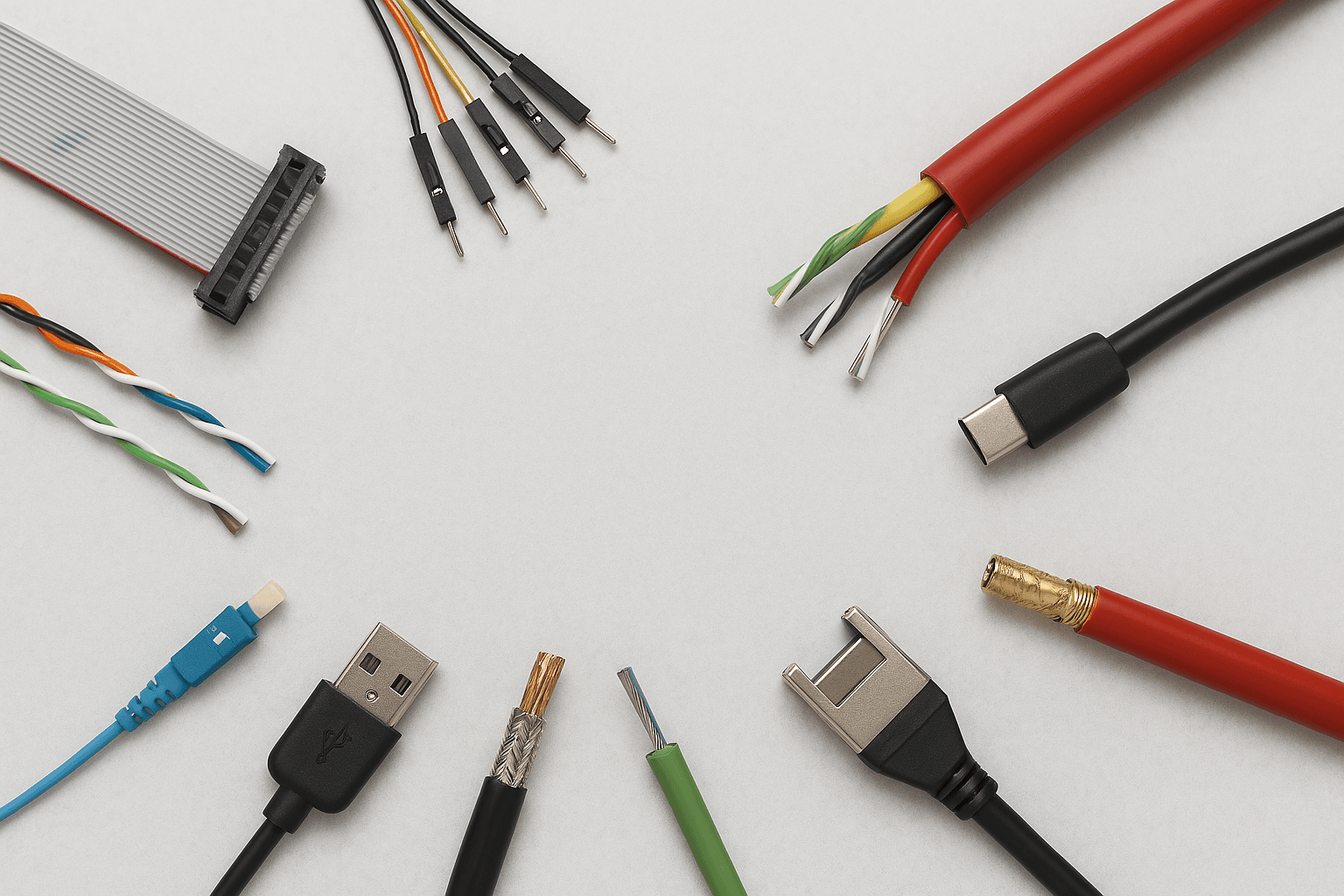
When it comes to modern technology, understanding the various types of cables is crucial for both consumers and professionals alike. From HDMI cables used for video and audio transmission to USB cables that facilitate data transfer and charging, each type serves a specific purpose. Other common types include Ethernet cables, essential for wired internet connections, and coaxial cables, primarily used for cable television and broadband connections. Familiarizing yourself with these fundamental cables can enhance your tech setup and improve overall functionality.
One important aspect to consider is the difference between analog and digital cables. Analog cables transmit signals in a continuous wave form, making them suitable for applications such as audio transmission. In contrast, digital cables encode data into binary form, providing higher quality and reliability for signals such as video streaming. Understanding these distinctions not only helps when purchasing cables but also aids in troubleshooting connectivity issues. By knowing which cable to use for your specific needs, you'll ensure optimal performance for all your devices.
Counter-Strike is a popular multiplayer first-person shooter game that has evolved significantly since its inception. Players engage in team-based gameplay, where they can choose between two opposing factions: terrorists and counter-terrorists. The game emphasizes strategy, skill, and teamwork, making it a staple in competitive gaming. For those looking for the best gear to enhance their gaming experience, check out the Top 10 iphone charging cables for reliable power.
How Cables Impact Your Internet Speed: The Hidden Factors
The quality of cables used in your internet connection plays a crucial role in determining your internet speed. There are several types of cables, including Ethernet, fiber optic, and coaxial, each with unique capabilities and limitations. For instance, while fiber optic cables offer the fastest speeds and bandwidth capabilities due to their ability to transmit data using light, traditional copper cables can introduce interference and lower speeds. Understanding the type of cable being used in your connection can help you identify performance bottlenecks.
Another hidden factor that impacts your internet speed is the cable's length and quality. Longer cables can lead to signal degradation, especially with copper cables where distances beyond 100 meters may significantly reduce the speed and reliability of your connection. Additionally, damaged or low-quality cables can introduce errors and packet loss, further hindering performance. Regularly inspecting your cables and opting for high-quality materials can ensure that you are maximizing your internet speed potential.
Common Cable Issues and How to Troubleshoot Them
Cables are an essential part of our daily tech usage, but they can sometimes encounter common issues that can disrupt our workflow. Among the most frequent problems are frayed cables, which can occur due to wear and tear over time, leading to unreliable connections. Additionally, loose connections often result in intermittent signal loss, causing frustration during crucial tasks. Checking for these issues should be the first step in troubleshooting any cable-related problems.
If you encounter issues with your cables, here are some troubleshooting steps to consider:
- Inspect the cable: Look for any visible damage or fraying.
- Test the connection: Ensure that the cable is properly plugged in at both ends.
- Try a different cable: If possible, swap out the cable to determine if the issue persists.
- Consider the environment: Make sure that cables are not twisted or bent excessively.