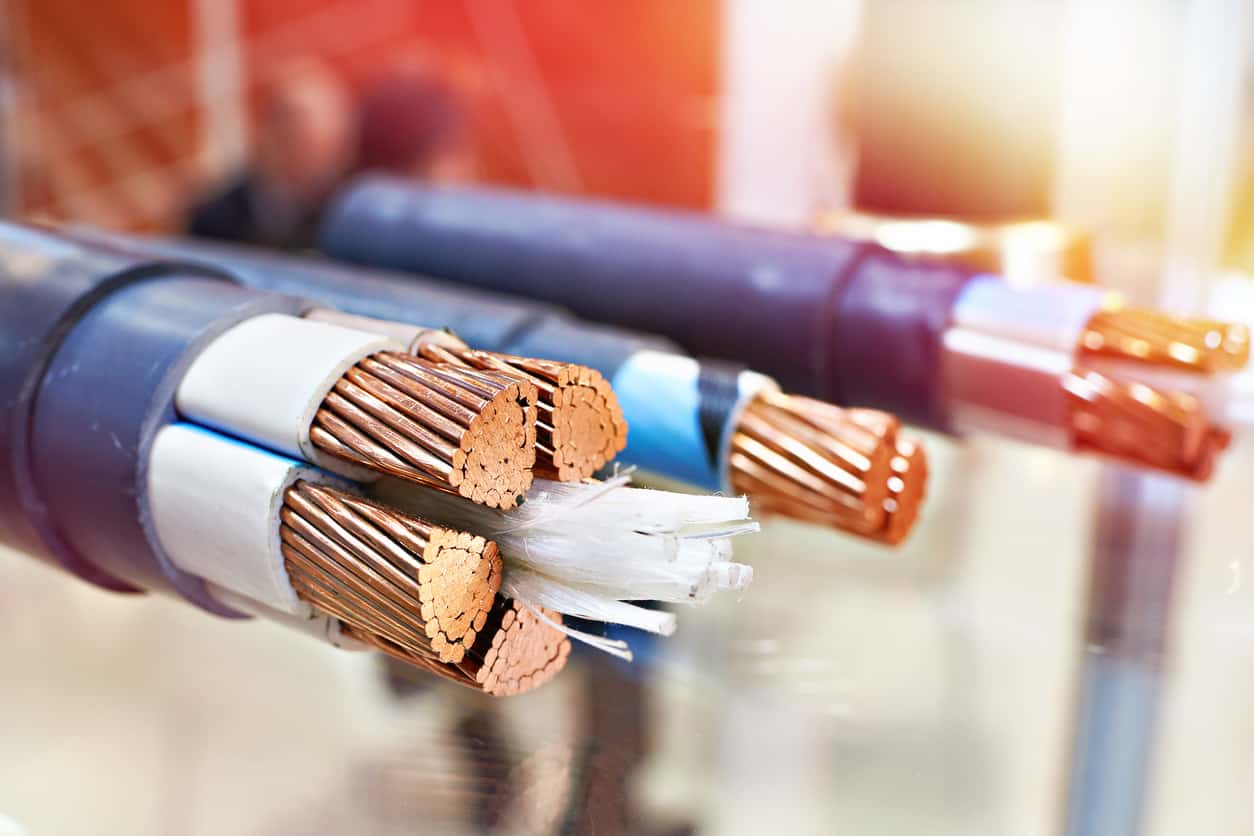
Unseen Connections: How Everyday Wires Shape Our Daily Lives
In our fast-paced world, it's easy to overlook the unseen connections that make our daily lives possible. From the moment we wake up, various everyday wires silently play a crucial role in our routines, facilitating everything from communication to transportation. Whether it's the electrical wires that power our coffee makers or the internet cables that keep us connected with loved ones, these items are fundamental yet often taken for granted. Imagine a day without these invisible threads; it’s not just an inconvenience but a stark reminder of their significance in our lives.
Moreover, the impact of unseen connections extends beyond mere convenience. Consider the role of everyday wires in modern technology, which have revolutionized industries and transformed how we interact with the world. For instance, the intricate networks of wires that power smart devices enable us to control our homes from our smartphones, enhancing both security and efficiency. As we become more reliant on these technologies, understanding and appreciating their underlying infrastructure can lead to a deeper respect for the innovations that shape our daily experiences.
Counter-Strike is a popular first-person shooter game that pits teams of terrorists against counter-terrorists in various objective-based missions. Its tactical gameplay, coupled with strategic team dynamics, has made it a favorite in the esports community. For gamers looking to enhance their mobile gaming experience, checking out the Top 10 Android Charging Cables can ensure that their devices remain charged during intense gaming sessions.
The Essential Role of Cables: What You Didn't Know About Your Electronics
In today's technology-driven world, cables play an essential role in connecting and powering the numerous devices we rely on daily. From smartphones to computers, these often-overlooked components act as the lifelines of our electronics, transmitting data and electricity seamlessly. Many people may not realize that the quality of a cable can significantly impact the performance of their devices. Inferior cables may result in slower data transfer, poor sound quality, or even damage to valuable electronics. Therefore, understanding the significance of choosing the right cable can ensure optimal performance and longevity of our gadgets.
Moreover, different types of cables serve unique purposes, and being aware of these differences can enhance your tech experience. For instance, while HDMI cables are primarily used for high-quality video and audio output, USB cables serve multiple functions, from charging devices to connecting peripherals. Additionally, cables come in various standards and lengths, which can significantly affect setup versatility and efficiency. Understanding the specifics, such as the difference between USB-A and USB-C, or the importance of using certified cables, can empower consumers to make informed choices, ultimately benefiting both their devices and their overall user experience.
From Power to Data: How Different Wires Impact Our Technology Use
The evolution of technology has been significantly influenced by the wires we use to transmit power and data. Traditionally, electrical power was the primary concern, with robust power cables serving as the backbone of electrical systems. However, as we move towards a more data-driven world, the importance of data transmission wires, such as fiber optic cables, has surged. These wires not only enhance internet speeds but also improve the overall efficiency of technology, allowing devices to communicate seamlessly. In today's tech landscape, the impact of choosing the right type of wire cannot be overstated, as it directly affects everything from bandwidth capability to reliability.
Understanding the different types of wires is crucial for both consumers and businesses alike. For instance, fiber optic wires utilize light to transmit data, making them faster and more efficient compared to traditional copper wires. This transition from power-centric wiring to data-centric solutions necessitates a careful evaluation of technology infrastructure. As we delve deeper into this transformation, we observe that the choice of wires plays a vital role in shaping our technological capabilities. Not only does this impact the performance of devices, but it also drives innovation in various sectors, including telecommunications, healthcare, and manufacturing.