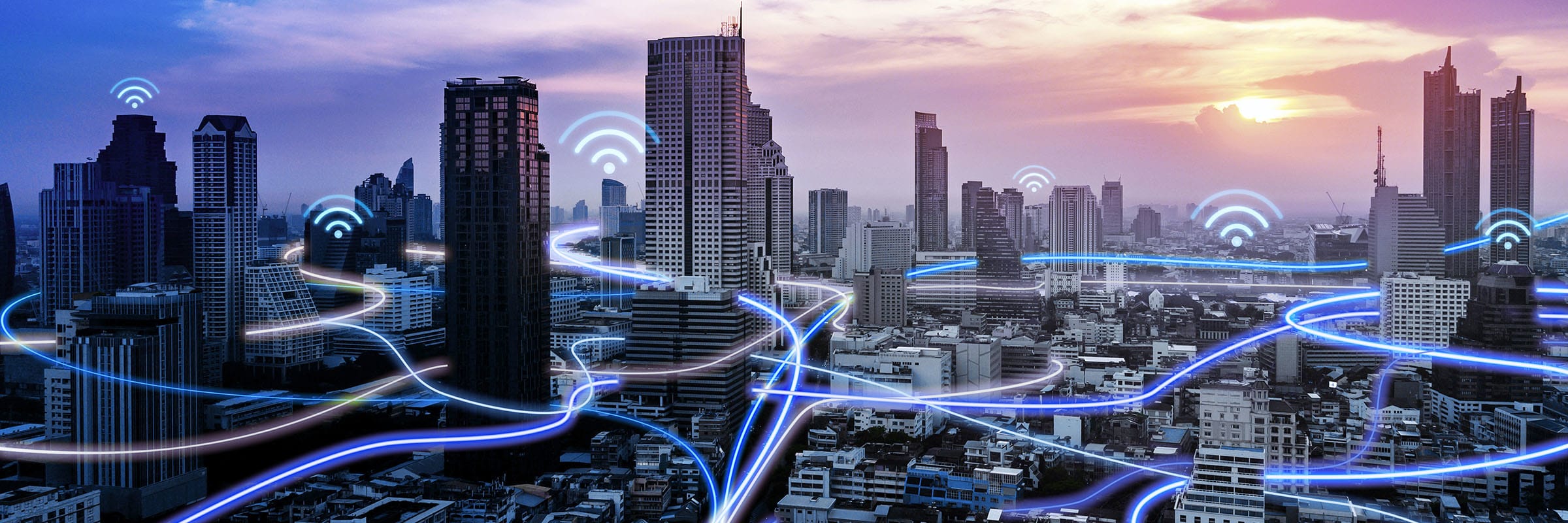
The Invisible Thread: Understanding How Connectivity Influences Our Daily Interactions
In today's digital age, the concept of connectivity extends far beyond mere internet access; it permeates every facet of our lives. From social media interactions to instant messaging platforms, the ties we form through technology shape our daily interactions in profound ways. For instance, the ability to communicate with anyone, anywhere, at any time can foster a sense of community, allowing us to maintain friendships and develop relationships that might have been impossible otherwise. However, while connectivity can enhance our social fabric, it also raises questions about the quality of these interactions and the impact of virtual connections on our mental health.
Moreover, the invisible thread of connectivity not only influences personal relationships but also affects how we engage in our professional lives. In a world where remote work is increasingly common, staying connected with colleagues through video calls, collaborative tools, and messaging platforms has become essential. This shift towards a more interconnected work environment encourages teamwork and innovation, yet it also blurs the lines between work and personal life, leading to potential burnout. Understanding this dual nature of connectivity can help us navigate our daily interactions more effectively, ensuring that we leverage technology to foster genuine relationships without becoming overwhelmed by it.
Counter-Strike is a popular tactical first-person shooter game that has captivated gamers around the world since its release. Teams of terrorists and counter-terrorists compete against each other in various game modes, with objectives such as planting or defusing bombs and rescuing hostages. For gamers looking to enhance their gaming setup, exploring options like Top 10 macbook docks can greatly improve their experience.
From Devices to Users: Exploring the Impact of Connectivity on Modern Communication
The evolution of communication technology has transformed the way we connect with one another, shifting the focus from devices to users. In the past, communication was heavily reliant on specific devices such as telephones and radios. Today, however, the advent of the internet and mobile technology has democratized connectivity, enabling people to communicate across various platforms seamlessly. This shift has led to an increase in real-time interaction and collaboration, allowing individuals to engage in discussions, share ideas, and form communities regardless of geographical boundaries.
As connectivity continues to expand, it is vital to examine its implications on modern communication. Social media platforms, messaging apps, and video conferencing tools have redefined our communication methods, emphasizing a user-centric approach. This shift not only enhances personal relationships but also affects businesses, allowing for greater customer engagement and feedback. The impact of connectivity extends beyond just the technology; it shapes social norms and expectations, ushering in an era where instantaneous communication is the norm, fundamentally altering our interactions on both personal and professional levels.
What Does It Mean to Be Connected? The Role of Digital Connectivity in Shaping Our Identity
In the contemporary world, being connected transcends mere physical proximity to others; it entails a profound digital interconnection that shapes our identities, perspectives, and interactions. Digital connectivity influences how we perceive ourselves and relate to others in an increasingly globalized society. Through social media platforms and online communities, individuals can share experiences and ideas, leading to a convergence of identities that are shaped by cultural exchanges and shared interests. This digital tapestry not only enhances our sense of belonging but also challenges traditional notions of individuality, creating a complex landscape where our online personas often reflect curated versions of our real selves.
Moreover, the role of digital connectivity in shaping our identities raises significant questions about authenticity and representation. As we navigate through various online spaces, the essence of being connected can evoke both empowerment and anxiety. On one hand, it provides a platform for marginalized voices to be heard globally; on the other, it can lead to feelings of isolation and inadequacy when comparing our own lives to the seemingly perfect lives of others. Thus, understanding what it means to be connected requires an awareness of the benefits and pitfalls of our digital environments, encouraging us to reflect on how digital connectivity ultimately molds our self-concept and social interactions.