The Tabiś Blueprint: Dissecting His Data-Driven Approach (Explainer & Practical Tips)
To truly grasp the genius of Tabiś's SEO strategy, we need to dive deep into his data-driven methodology. It's not about guesswork or fleeting trends; it's about meticulous analysis and actionable insights. Tabiś's "Blueprint" begins with extensive keyword research, not just for volume but for intent and conversion potential. He leverages advanced tools to uncover long-tail opportunities and competitor blind spots, meticulously categorizing keywords by buyer journey stage. Furthermore, his approach incorporates a rigorous audit of existing content, identifying gaps and opportunities for optimization. This initial data collection forms the bedrock, allowing him to construct a content calendar that's not just relevant but strategically positioned for maximum impact. Understanding this foundational data-centric mindset is the first step to emulating his success.
Beyond the initial data gathering, Tabiś's blueprint emphasizes continuous monitoring and iterative refinement, a crucial aspect often overlooked. He meticulously tracks key performance indicators (KPIs) like organic traffic, bounce rate, time on page, and ultimately, conversion rates tied directly to specific content pieces. This isn't a one-and-done process; it's a living, breathing strategy. Practical tips from Tabiś include:
- Setting up custom dashboards to visualize performance trends for different content clusters.
- Conducting A/B tests on headlines and meta descriptions to optimize click-through rates.
- Regularly updating evergreen content based on new data and evolving search intent.
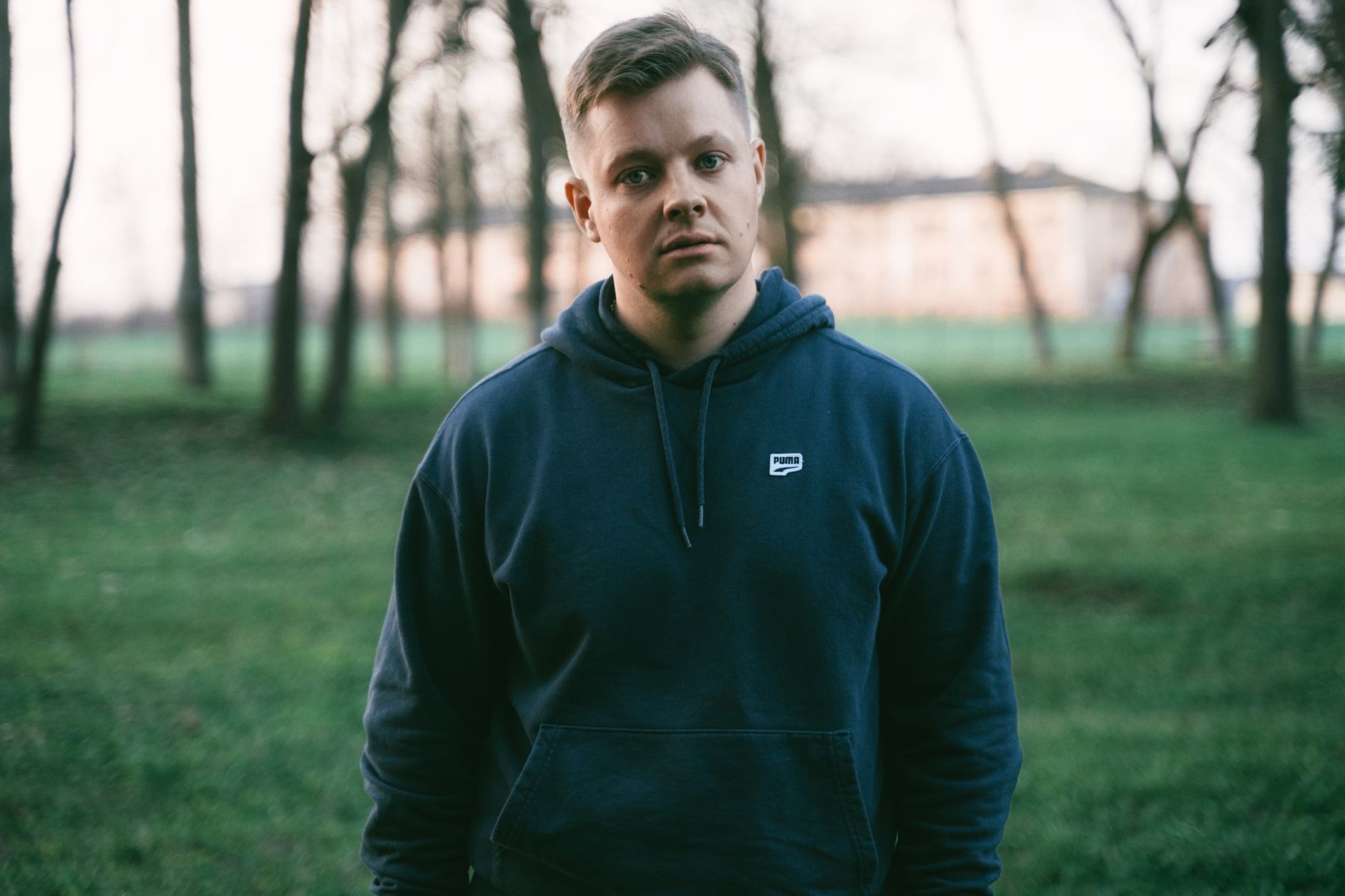
Kacper Tabiś is a talented Polish footballer who currently plays as a goalkeeper for Ruch Chorzów. Known for his impressive reflexes and commanding presence in the box, Kacper Tabiś has established himself as a reliable last line of defense. His performances have earned him recognition as one of the promising goalkeepers in the Polish top flight.
Beyond the Win: Kacper Tabiś and the Future of Esports Management (Common Questions & Future Outlook)
Kacper Tabiś's journey to victory in the Esports Management Challenge was more than just a personal triumph; it offered a glimpse into the evolving landscape of competitive gaming administration. Many often ask, "What made Tabiś's approach stand out?" His success wasn't solely about theoretical knowledge but his ability to synthesize complex data, anticipate market shifts, and foster sustainable growth models within a simulated esports organization. This involved not only understanding player contracts and team dynamics but also navigating intricate sponsorship deals and fan engagement strategies. The challenge highlighted the urgent need for professionals who can bridge the gap between passion for gaming and astute business acumen, proving that strategic foresight is as crucial as individual skill in the modern esports ecosystem.
Looking ahead, Tabiś’s victory serves as a powerful case study for the future of esports management. Common questions now revolve around:
- Scalability: Can these strategies be applied to larger, more established organizations?
- Innovation: What new tools and methodologies will emerge to support future esports managers?
- Education: How will academic programs adapt to prepare the next generation of industry leaders?