Cracking the Crypto Wallet Code: Your First Steps & Common Questions Answered
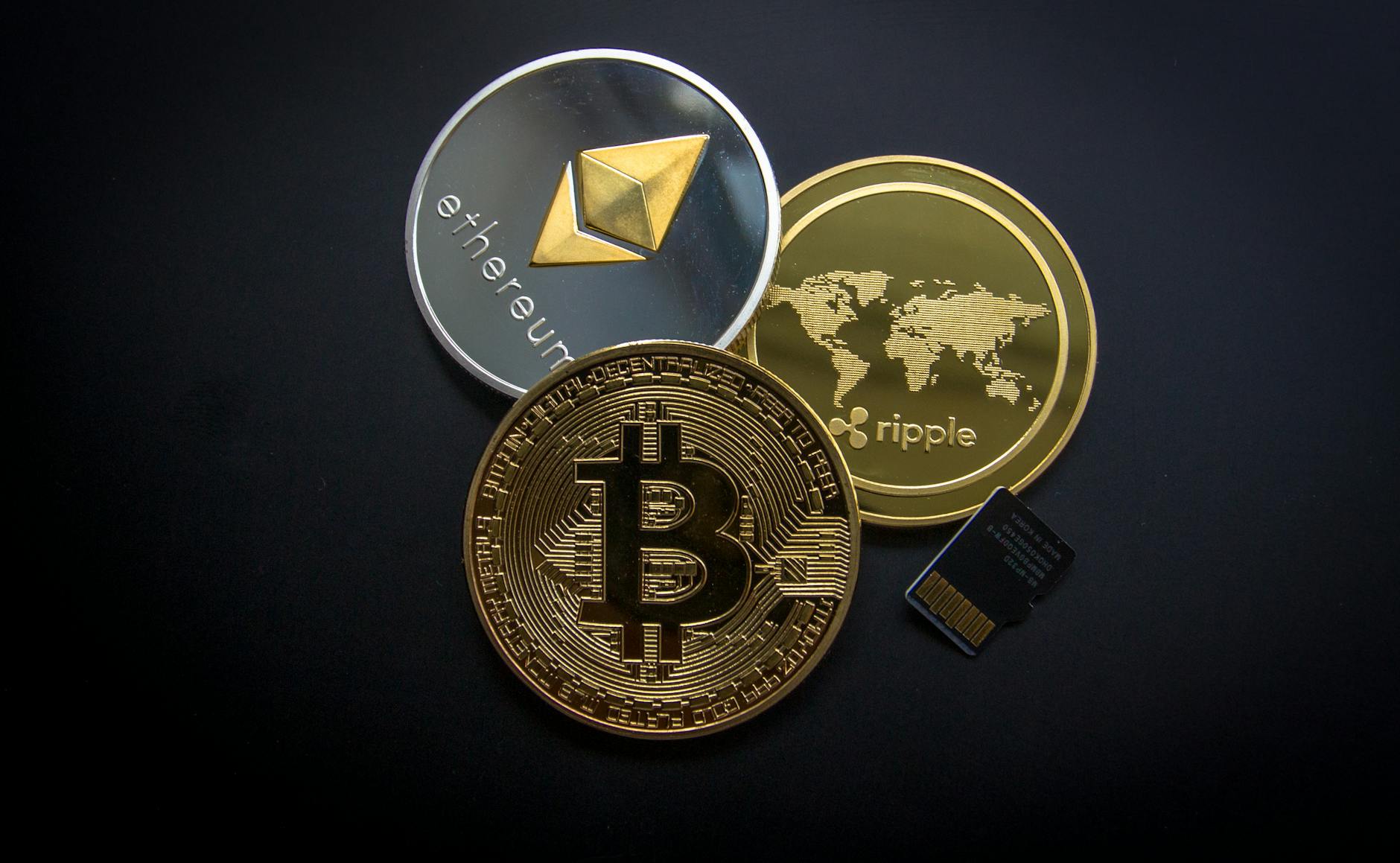
Embarking on your cryptocurrency journey often begins with understanding the crucial role of a crypto wallet. Far more than just a digital piggy bank, your wallet is your gateway to interacting with various blockchains, sending and receiving digital assets, and even participating in decentralized finance (DeFi). The first step involves choosing the right wallet type for your needs: will it be a hot wallet (connected to the internet, like a mobile app or web extension) for everyday transactions, or a more secure, offline cold wallet (hardware device or paper wallet) for long-term storage of significant holdings? Each has its own set of advantages and disadvantages regarding convenience, security, and the level of control you maintain over your private keys – the secret code that proves ownership of your crypto.
Once you've selected your wallet, the next phase involves setup and understanding some common terminology. You'll likely encounter a seed phrase (also known as a recovery phrase or mnemonic phrase), which is a sequence of 12-24 words that acts as a master key to your funds.
It's paramount to store this phrase securely and offline, as anyone with access to it can control your assets.Other frequently asked questions revolve around transaction fees (gas fees), network congestion, and how to safely send and receive cryptocurrencies. Always double-check recipient addresses, start with small test transactions if possible, and familiarize yourself with the specific network protocols your chosen cryptocurrency operates on to avoid costly mistakes.
Decentralized betting offers a revolutionary approach to wagering, leveraging blockchain technology to ensure transparency and fairness. Unlike traditional platforms, decentralized betting eliminates the need for intermediaries, giving users more control over their funds and the betting process. This innovative system reduces the risk of censorship and fraud, creating a more secure and equitable environment for all participants.
Beyond the Basics: Practical Tips for Securing Your Digital Fortune
To truly safeguard your digital assets, move beyond simple password changes. Implement multi-factor authentication (MFA) across all critical accounts, especially email and banking. Consider using a dedicated password manager to generate and store complex, unique passwords for every service, eliminating the risk of credential stuffing attacks. Regularly review your privacy settings on social media and other platforms, limiting the amount of personal information publicly available. Furthermore, be wary of phishing attempts; always verify the sender and the legitimacy of links before clicking. A proactive approach to these seemingly small steps significantly reduces your attack surface and fortifies your online presence.
Beyond individual account security, cultivate a habit of regular data backups. Whether using cloud storage, external hard drives, or a combination, ensure your most valuable files are redundantly stored and easily recoverable. For those handling sensitive information, explore the benefits of encryption for local files and communications. Consider using a Virtual Private Network (VPN) when connecting to public Wi-Fi networks to encrypt your internet traffic and protect your browsing activity from prying eyes. Staying informed about the latest cybersecurity threats and best practices is paramount; subscribe to reputable security blogs and news outlets to keep your digital defenses robust and up-to-date.