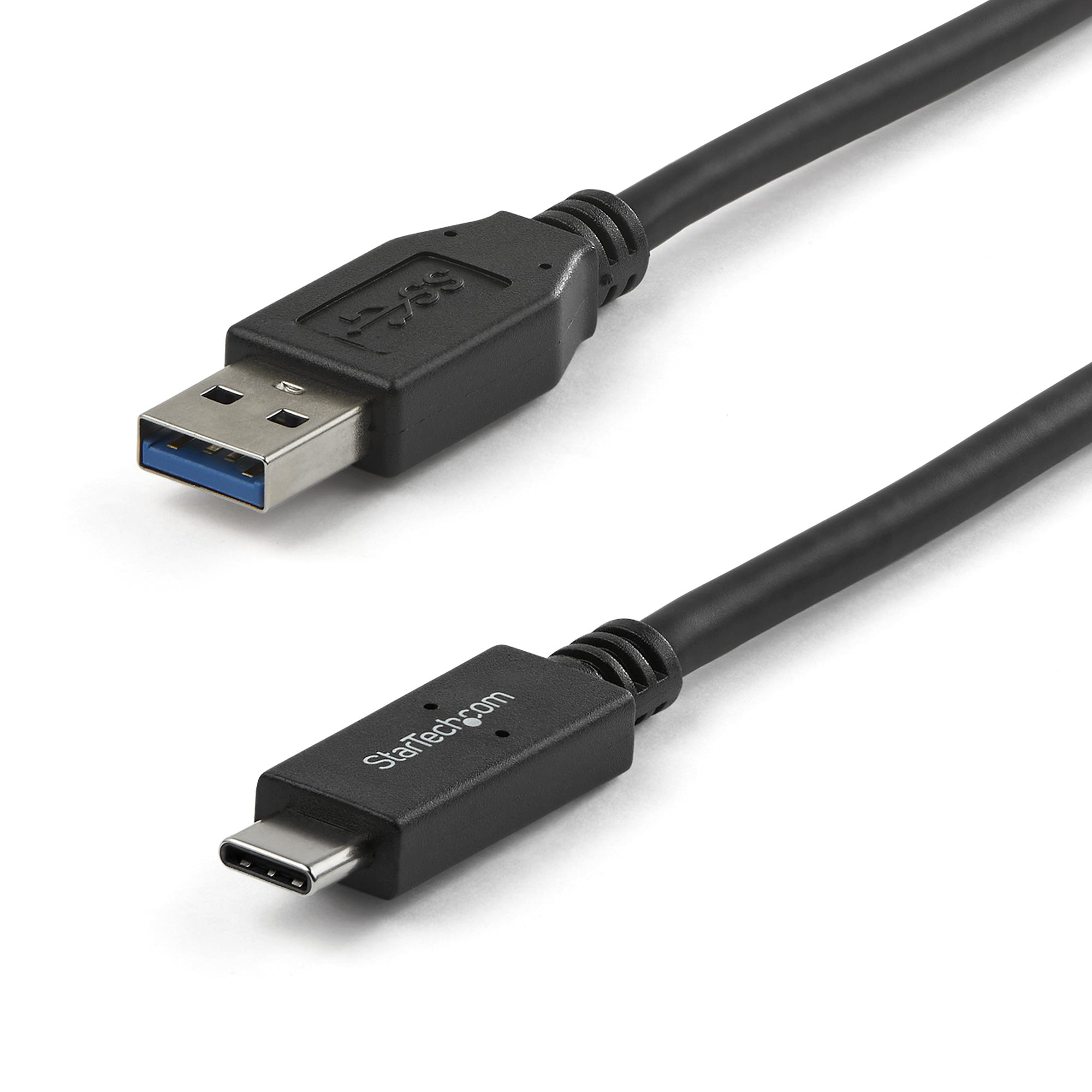
The Rise of USB-C: How This Connector Became Essential in the Tech World
The rise of USB-C has significantly transformed the tech landscape, bringing a unifying standard to a world previously dominated by a multitude of connectors. Initially introduced in 2014, USB-C quickly gained traction due to its reversible design and ability to deliver power, data, and video through a single cable. This versatility has led to widespread adoption across various devices, from smartphones and laptops to tablets and peripherals. As manufacturers embraced USB-C, consumers benefitted from a streamlined experience, reducing the clutter of cables and adapters that plagued previous generations of technology.
Today, USB-C is not just a trend; it has become essential for anyone navigating the modern tech world. With the increasing demand for faster data transfer speeds and higher charging capabilities, USB-C meets these needs efficiently. According to industry reports, over 50% of new devices are now equipped with USB-C ports, demonstrating its importance in contemporary tech. As more companies adopt this universal standard, we can expect USB-C to continue its rise, solidifying its status as the go-to connector for both consumers and professionals alike.
USB-C vs. Legacy Ports: Why the Future is All About Universal Connectivity
As technology continues to evolve, the debate between USB-C and legacy ports intensifies. USB-C, with its compact design and reversible connector, is fast becoming the universal standard for connectivity across a wide array of devices. This shift towards universal connectivity not only simplifies the user experience but also enhances device performance with higher data transfer speeds and increased power delivery capabilities. Unlike older ports, which often require multiple cables and adapters, USB-C offers a one-size-fits-all solution that reduces clutter and promotes interoperability among devices.
Many consumers are still tethered to legacy ports, which can hinder their adoption of newer technology. However, as manufacturers phase out traditional connectors in favor of USB-C, users will need to adapt to this change. This transition is not just about convenience; it also aligns with the growing trend of sustainability in technology. By embracing USB-C, manufacturers can help minimize electronic waste and promote a more environmentally friendly approach to device design. The future is clear—universal connectivity through USB-C is not only an improvement in functionality but also a step forward in responsible tech usage.
Is USB-C the Ultimate Solution for Charging and Data Transfer in Today's Gadgets?
As technology continues to evolve, the emergence of USB-C has garnered significant attention from both consumers and manufacturers alike. This versatile port offers a unified solution for charging and data transfer, effectively replacing a multitude of cables and connectors that have cluttered our tech lives. Unlike its predecessors, USB-C supports faster data transfer rates and higher power delivery, which means that it can charge devices quickly while simultaneously managing data exchange. Apple, Samsung, and many other tech giants are now integrating USB-C ports into their latest gadgets, suggesting a strong industry consensus on its efficacy and practicality.
Moreover, the benefits of adopting USB-C extend beyond just convenience. With its reversible design, users no longer have to struggle with aligning plugs correctly, making it user-friendly. In addition, USB-C ports are capable of delivering up to 100 watts of power, which allows even high-demand devices like laptops to charge efficiently. As we move toward a future where interoperability among devices is vital, USB-C stands out as a promising solution to the charging and data transfer dilemmas that have plagued consumers for years. With the potential for widespread adoption, it's clear that USB-C is well on its way to becoming the ultimate standard in today's gadget ecosystem.