The Science Behind Noise Cancellation: How It Works
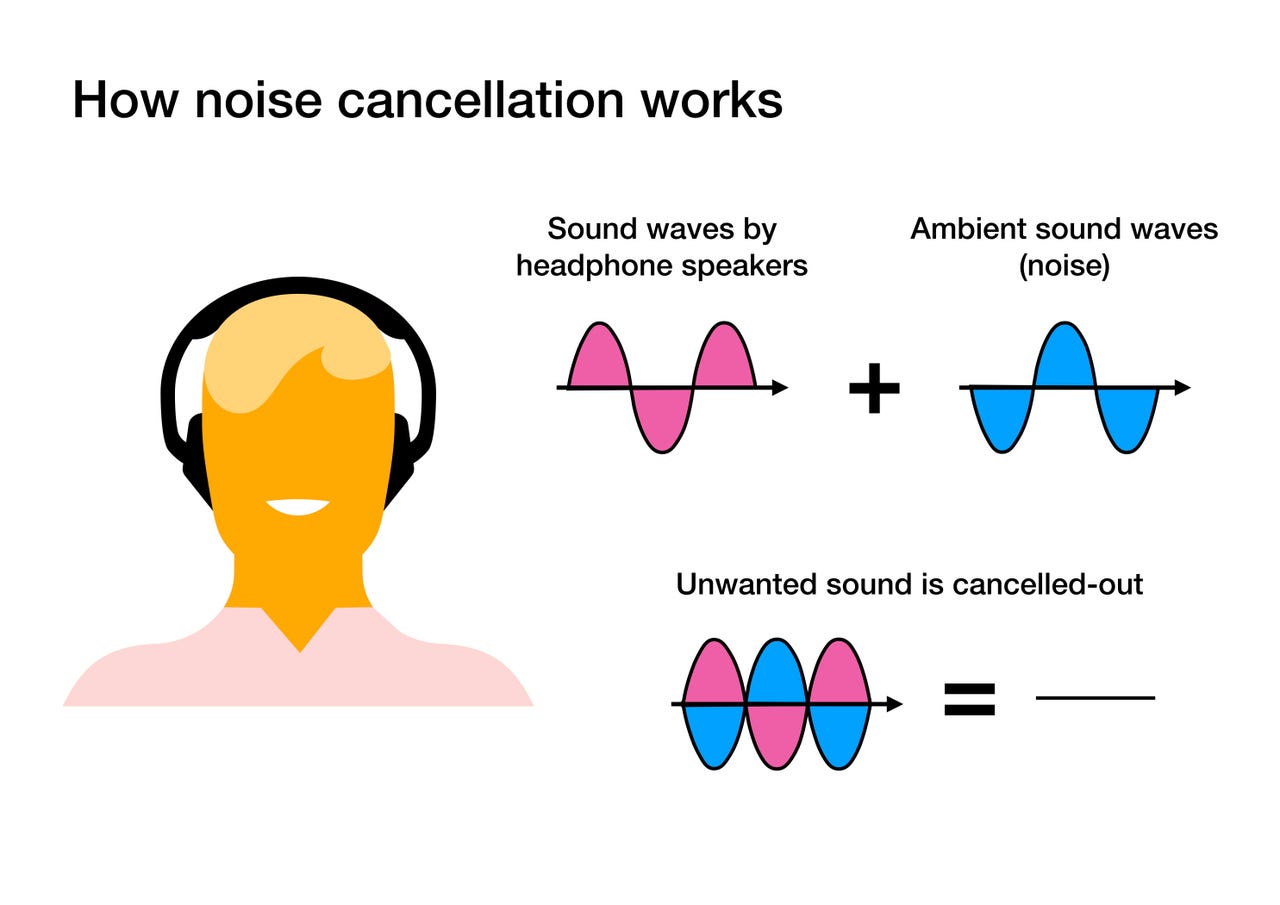
The science behind noise cancellation involves a fascinating interplay of sound waves and advanced technology. At its core, noise cancellation works by employing a technique known as destructive interference. This occurs when two sound waves of equal frequency and amplitude are aligned in such a way that they are out of phase with each other. When the crest of one wave meets the trough of another, they effectively cancel each other out, resulting in reduced noise levels. This principle is harnessed in both passive and active noise-cancelling headphones, providing users with a quieter experience amidst bustling environments.
Active noise cancellation (ANC) devices utilize microphones to detect external sounds, which are then processed by an internal system that generates an inverted sound wave. This inverted wave is projected outwards, neutralizing unwanted ambient noise before it reaches the listener's ears. In contrast, passive noise cancellation relies on physical barriers, such as padded ear cups, to block out sound. Together, these technologies create a layered approach to auditory isolation, making the science behind noise cancellation an essential part of modern acoustics and personal audio devices.
Counter-Strike is a popular tactical first-person shooter game that pits terrorists against counter-terrorists in a variety of competitive modes. It requires teamwork, strategy, and quick reflexes to outsmart opponents and achieve objectives. For players looking to enhance their gaming experience, finding the right audio equipment is crucial. Check out the Top 10 Earbuds for Meetings to find high-quality options that provide clear sound and effective communication during intense matches.
The Evolution of Noise-Canceling Technology: From Headphones to a Lifestyle
The journey of noise-canceling technology has transformed from a niche innovation to an indispensable element of modern audio devices. Initially developed for pilots in the 1950s to reduce ambient noise during flights, the technology gained traction in the late 20th century with the introduction of consumer headphones. These early models utilized basic passive noise isolation, which blocked out some external sounds. However, as the demands for high-quality audio have grown, so too has the technology behind this innovation. In the 2000s, advancements introduced active noise-canceling systems that utilize microphones to pick up external sounds and generate opposite sound waves to cancel them out, resulting in an unparalleled listening experience.
Today, noise-canceling technology has transcended its initial purpose, evolving into a lifestyle choice for many. Consumers now expect this functionality in a variety of devices, from earbuds to smart speakers, ensuring that their environments remain peaceful and conducive to focus, whether commuting, working, or relaxing. As a result, brands have begun to integrate noise-canceling features into a wider array of products, including home audio systems and virtual assistants. This evolution not only enhances our auditory auras but also reflects a broader societal push towards creating serene spaces in an increasingly noisy world.
Are Noise-Canceling Devices Affecting Our Mental Health?
The rise of noise-canceling devices, such as headphones and earplugs, has transformed the way we interact with our environment. While many users find these devices beneficial for enhancing focus and reducing distractions, some experts raise concerns about their impact on mental health. Prolonged use may lead to a disconnection from the surrounding world, potentially fostering feelings of isolation and anxiety. In a society that increasingly values multitasking and productivity, the constant suppression of ambient sounds might inadvertently create a barrier to meaningful social interactions and emotional well-being.
Furthermore, the dependence on noise-canceling devices can alter our physiological responses to noise. Recent studies suggest that while these devices can offer immediate relief from stressors, they may also prevent individuals from developing effective coping mechanisms for dealing with real-world noise scenarios. In an age where mental health awareness is crucial, it is essential to strike a balance between utilizing technology for relief and remaining engaged with the auditory cues of our environment. By doing so, we can ensure that our reliance on these devices does not overshadow the importance of holistic mental health practices.