Understanding RFID Technology: How It Works and Its Impact on Your Daily Life
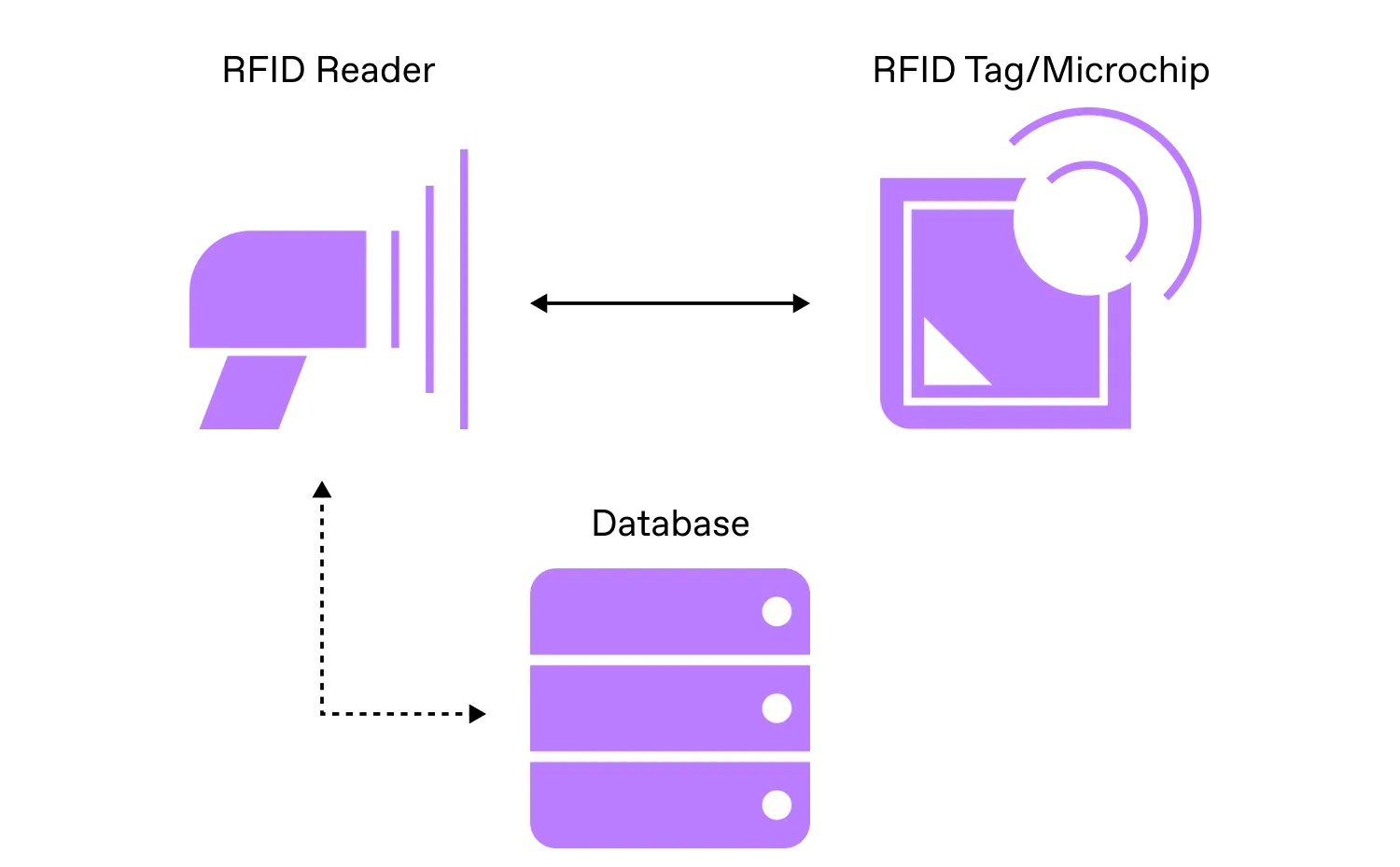
RFID (Radio Frequency Identification) technology has become an integral part of various industries, enhancing inventory management, tracking, and data collection processes. At its core, RFID operates through the use of electromagnetic fields to automatically identify and track tags attached to objects. These tags consist of a microchip and antenna, enabling them to transmit information to a reader. The technology functions in two primary modes: passive and active. Passive tags do not have their own power source and rely on the electromagnetic energy emitted by the reader, while active tags are battery-powered and can transmit signals over greater distances. This seamless communication between the tags and readers facilitates real-time data processing, which is revolutionizing how businesses manage resources.
The impact of RFID technology on our daily lives is profound, even if most of us are not consciously aware of it. From retail environments where RFID tags enhance the shopping experience by streamlining the checkout process and reducing theft, to transportation systems that utilize RFID for ticketing and vehicle tracking, its applications are vast. Hospitals are also leveraging this technology to monitor equipment and track medication, improving patient safety and operational efficiency. As RFID continues to evolve, its potential to transform our everyday interactions with technology grows, making it essential to stay informed about its capabilities and benefits.
Counter-Strike is a highly popular first-person shooter game that was originally released in 1999. Players can engage in team-based combat, where they can choose to play as terrorists or counter-terrorists. The game has evolved significantly over the years, with various versions and updates, but it remains a staple in the competitive gaming community. If you're interested in enhancing your gaming experience, check out the Top 10 airtag wallets for keeping your gear organized and secure.
The Benefits of RFID: Enhancing Efficiency in Various Industries
RFID (Radio Frequency Identification) technology has revolutionized the way industries operate by enhancing efficiency through automatic identification and data capture. By utilizing RFID tags, businesses can streamline their inventory management processes, reducing the time and labor required for tracking products. For instance, in the retail sector, RFID systems enable real-time visibility of stock levels, which helps retailers maintain optimal inventory and minimize stockouts or overstock situations. This not only leads to significant cost savings but also improves customer satisfaction by ensuring that products are available when needed.
Moreover, the applications of RFID extend beyond retail. In the healthcare industry, RFID is employed to track medical equipment, ensuring that vital tools are readily available when required. Additionally, it enhances patient safety by allowing healthcare providers to verify patient identity and medication administration accurately. In logistics and transportation, RFID improves supply chain visibility and management, enabling companies to optimize routes and reduce delays. Overall, the adoption of RFID technology across various industries demonstrates its substantial role in enhancing operational efficiency and driving business growth.
What is RFID and How is it Transforming Retail, Logistics, and Beyond?
Radio Frequency Identification (RFID) is a technology that uses electromagnetic fields to automatically identify and track tags attached to objects. The system consists of three components: an RFID tag, an RFID reader, and middleware that processes the data. In the retail sector, RFID is revolutionizing inventory management by providing real-time visibility and accuracy. Unlike traditional barcodes, RFID tags do not require a direct line of sight, allowing retailers to scan multiple items simultaneously. This shift not only enhances the shopping experience but also minimizes operational costs and reduces stock discrepancies.
The impact of RFID extends beyond retail into logistics, healthcare, and various industries. In logistics, RFID improves supply chain efficiency by ensuring the timely tracking of goods from manufacturers to warehouses and retail stores. Companies can pinpoint the exact location of their inventory, leading to improved decision-making and reduced lead times. Furthermore, industries such as healthcare are adopting RFID technology to manage equipment, track medications, and enhance patient safety, showcasing its versatility and transformative potential.