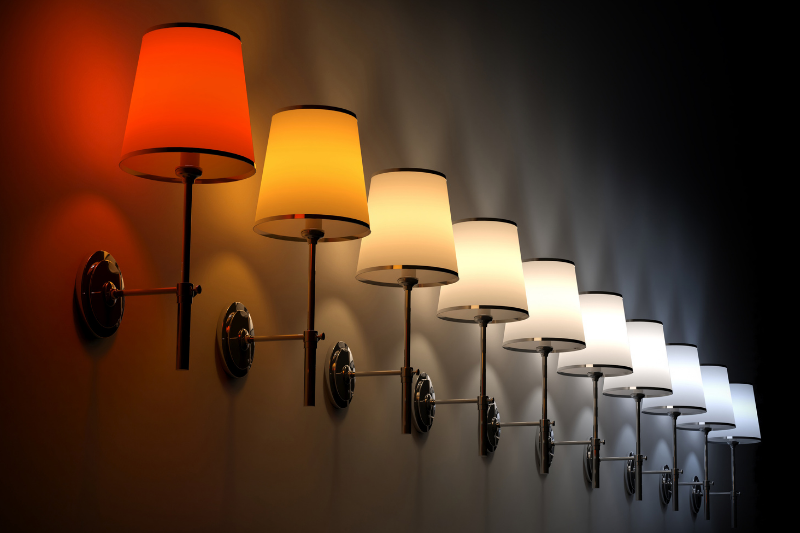
The Psychology of Light: How Different Bulb Types Influence Our Mood
Light plays a crucial role in shaping our mood and behavior, largely influenced by the type of bulb used in our environment. Incandescent bulbs emit a warm, soft glow that can make spaces feel cozy and inviting, thereby promoting feelings of relaxation and comfort. On the other hand, fluorescent lights tend to produce a harsher, cooler light that can create a more sterile atmosphere. This difference in light quality affects our productivity and emotional well-being; studies suggest that exposure to natural light can enhance mood and reduce feelings of stress and anxiety.
Moreover, the color temperature of bulbs significantly impacts our psychological state. For instance, warm white bulbs (around 2700K to 3000K) are ideal for living spaces, fostering an ambiance of calmness and intimacy, while cool white bulbs (around 4000K to 5000K) are better suited for work areas, as they can enhance focus and alertness. Additionally, incorporating LED lights with adjustable color settings allows individuals to manipulate their environment according to their mood, promoting a more personalized and dynamic living space. Ultimately, understanding the psychology of light can empower us to create environments that not only meet our practical needs but also nurture our emotional health.
Counter-Strike is a highly popular first-person shooter game that has captivated millions of gamers around the world. Known for its competitive nature and strategic gameplay, players can choose to play as either terrorists or counter-terrorists. For those looking to enhance their gaming setup, check out the Top 10 mac accessories for creators that can help improve performance and comfort during long gaming sessions.
Brighten Your Day: The Impact of Lighting on Emotional Well-Being
Lighting has a profound impact on our emotional well-being, influencing everything from our mood to our productivity. Studies show that exposure to natural light can significantly enhance feelings of happiness and reduce symptoms of anxiety and depression. Brighten your day by allowing sunlight to flood your living space, whether through large windows or strategically placed mirrors that reflect light. Implementing warm, adjustable artificial lighting can also create a cozy environment, encouraging relaxation and comfort during the evening hours.
Moreover, the color temperature of our lighting plays a crucial role in shaping our emotional responses. For instance, cooler, bluish tones can improve focus and boost energy levels, making them ideal for workspaces. On the other hand, softer, warmer hues promote calmness and help to wind down after a long day. Investing in smart lighting options allows you to brighten your day according to your activities and mood. Remember, the right lighting not only transforms your space visually but also significantly enhances your overall quality of life.
Can the Right Light Reduce Mood Swings? Exploring the Connection Between Illumination and Emotions
The connection between light and mood is a topic that has gained significant attention in recent years. Research suggests that exposure to the right kind of light can play a crucial role in regulating our emotions and, consequently, reducing mood swings. Studies have shown that natural light, especially during the morning hours, can boost serotonin levels, a neurotransmitter that enhances mood and promotes feelings of well-being. On the other hand, inadequate lighting, particularly during the darker months, can lead to Seasonal Affective Disorder (SAD), characterized by feelings of depression and mood fluctuations. Incorporating strategies such as maximizing daylight exposure or utilizing full-spectrum artificial lights can be instrumental in stabilizing emotions.
Moreover, the quality of illumination matters. Different wavelengths of light can evoke different emotional responses; for example, warm tones are often associated with comfort and relaxation, while cooler tones can enhance alertness and focus. By strategically using lighting in our environments—from our homes to workplaces—we can create an atmosphere that promotes emotional resilience. Simple changes, such as adjusting the color temperature of your light bulbs or using dimmers, can significantly impact how we feel throughout the day. In this way, the right light not only illuminates our physical spaces but also influences our mental landscapes, reminding us that sometimes, reducing mood swings might just require a little adjustment in our lighting choices.