The Science Behind Wireless Charging: How It Works
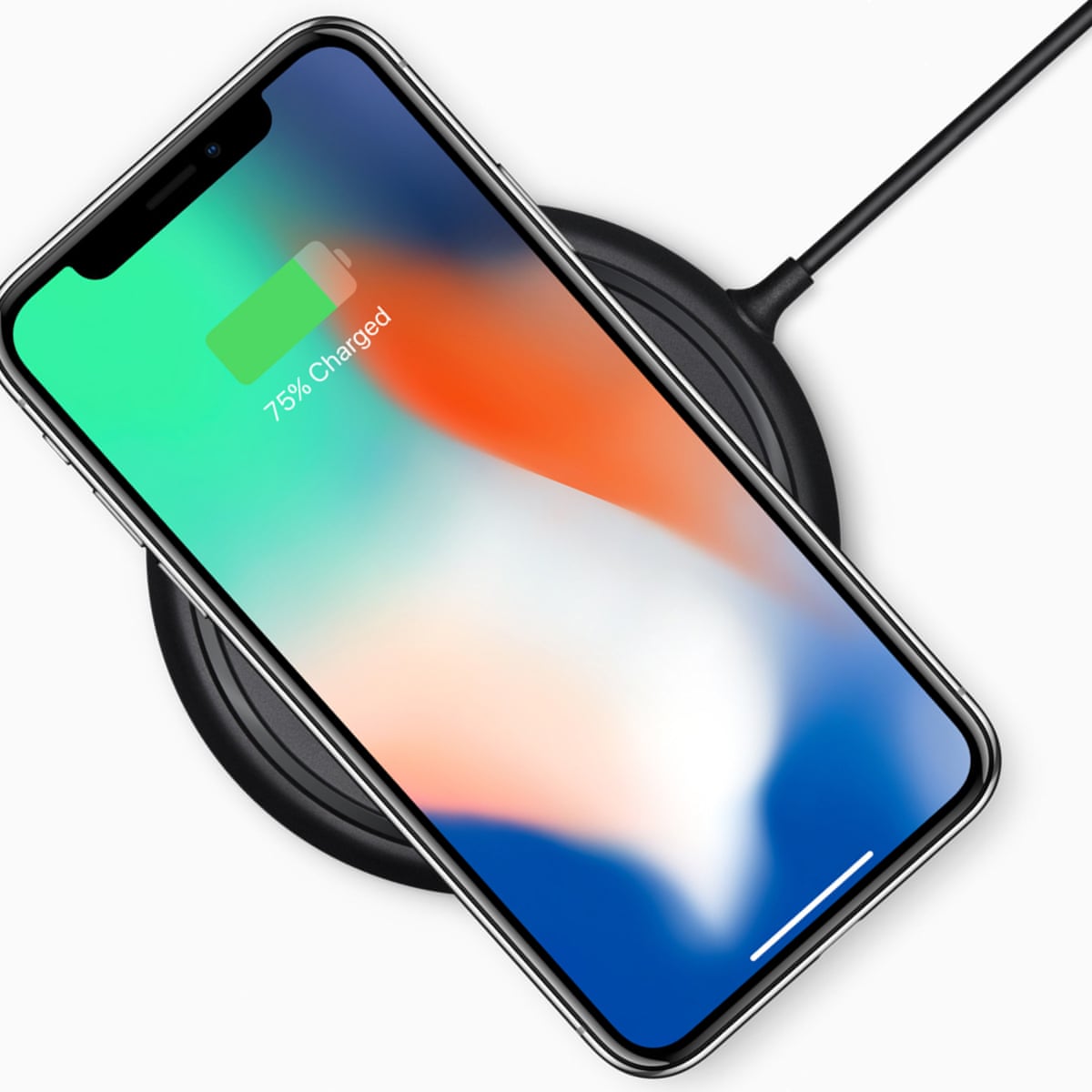
The science behind wireless charging is rooted in basic principles of electromagnetism and induction. It utilizes an electromagnetic field to transfer energy between two objects, typically a charging pad and a compatible device like a smartphone. The charging pad contains a transmitter coil, which generates an alternating magnetic field when electricity flows through it. This field induces an electrical current in the receiver coil located within the device. The induced current is then converted back into direct current (DC) to recharge the device's battery.
Wireless charging is categorized into different types, but the most common method is inductive charging. This method is based on Faraday's law of electromagnetic induction, which states that a changing magnetic field can create an electric current. As the two coils align, energy transferring efficiency increases, allowing for faster charging. However, factors such as distance between the coils, the alignment of the devices, and the quality of materials used can impact this effectiveness. As technology advances, further developments in wireless charging aim to improve efficiency and compatibility across various devices.
Counter-Strike is a popular team-based first-person shooter that has captivated gamers since its release in 1999. Players can choose to be part of terrorist or counter-terrorist teams and engage in various game modes, including bomb defusal and hostage rescue. For those looking to protect their devices in style, check out these Top 10 Thin Silicone Cases for AirPods to keep your accessories safe while gaming.
Top 5 Benefits of Cordless Charging: Freedom and Convenience
Cordless charging technology has transformed the way we power our devices, offering unmatched freedom and convenience for users. Unlike traditional charging methods that require cumbersome cables, cordless charging allows you to simply place your device on a charging pad, eliminating the need to fuss with wires. This convenience is particularly beneficial in multi-device households, as it enables simultaneous charging without the clutter of multiple cables. Moreover, the compatibility of cordless chargers with various devices, from smartphones to smartwatches, enhances their appeal, making them a versatile solution for modern users.
Another significant benefit of cordless charging is the reduction in wear and tear on device ports. Frequent plugging and unplugging of chargers can lead to damage over time, diminishing the lifespan of your device. With cordless charging, you can extend the longevity of your gadgets by minimizing physical strain on the hardware. In addition to this, many cordless chargers come equipped with safety features, such as overcharge protection and temperature control, ensuring that your devices are charged safely and efficiently. Overall, the benefits of cordless charging encompass both practical and protective aspects, making it a valuable investment for any tech-savvy individual.
Is Wireless Charging Safe? Debunking Common Myths
Wireless charging has become increasingly popular, but many users still have concerns about its safety. One common myth is that wireless charging can overheat devices, potentially leading to damage or battery failure. However, most modern wireless chargers are designed with built-in safety features, such as automatic shutoff and temperature control. Wireless charging is safe when used with compatible devices and certified chargers, eliminating the risk of overheating or overcharging.
Another prevalent misconception is that wireless charging increases exposure to electromagnetic fields (EMF). Research indicates that the EMF emitted by wireless chargers is significantly lower than the levels produced by common household devices, like microwaves or Wi-Fi routers. In fact, the safe use of wireless charging aligns with international safety standards, ensuring that your device can charge wirelessly without compromising your health or safety.